Introduction: Credit Is Not About Money—It’s About Trust
After years of working with business owners, executives, and professionals, one truth becomes very clear:
credit has very little to do with money, and everything to do with trust.
Two people can earn the same income, own similar assets, and run comparable businesses—yet one has easy access to capital while the other struggles. The difference is rarely intelligence or effort. It is how well they have built and managed credit over time.
Credit is a reputation system. It quietly records your behavior and turns it into opportunity—or limitation.
This article is written for people who want ideas that actually work. Not tricks. Not hacks. Not shortcuts that collapse later. But practical, sustainable ideas for building credit that align with a CEO mindset: intentional, disciplined, and long-term.
Reframing Credit: Think Like a System Builder
Before diving into specific ideas, it’s important to shift perspective.
Most people approach credit emotionally:
- Fear of debt
- Obsession with scores
- Anxiety after mistakes
Executives approach credit structurally.
They ask:
- What behaviors does the system reward?
- How can I feed it consistent, clean data?
- How do I reduce risk while increasing leverage?
Building credit is not a sprint. It is system design.
Idea #1: Build Credit Around Predictable Expenses
One of the simplest—and most effective—ideas is also the most overlooked.
Instead of using credit randomly, assign it to predictable, recurring expenses.
Examples:
- Utilities
- Subscriptions
- Insurance
- Software tools
- Fuel or transportation
Why this works:
- Spending is controlled
- Payments are consistent
- Utilization stays stable
From a leadership perspective, this is automation with intent.
Idea #2: Separate Spending Power From Spending Behavior
Many people believe higher credit limits encourage overspending. In reality, lack of structure encourages overspending.
A smarter idea is to:
- Increase limits intentionally
- Keep actual usage low
- Preserve optionality
High available credit with low usage signals strength, not risk.
Strong credit profiles look calm—even when they have access to large limits.
Idea #3: Treat On-Time Payments as a Non-Negotiable KPI
In business, some metrics are flexible. Others are not.
On-time payments belong in the second category.
Missed payments damage trust faster than almost anything else in the credit system. Especially after setbacks, late payments suggest repeated patterns.
CEO-level discipline means:
- Automating payments
- Creating backup systems
- Removing emotion from execution
Paying on time is not impressive.
Missing payments is unforgettable.
Idea #4: Use Credit Lightly, But Consistently
A common myth is that you must carry balances to build credit. This is false.
Credit systems reward activity, not debt.
Using a small portion of available credit and paying it off regularly creates:
- Positive payment history
- Healthy utilization
- Long account age
Think of credit usage like exercise:
- Too little, no progress
- Too much, injury
- Consistent moderation builds strength
Idea #5: Build Credit in Layers, Not All at Once
Many people try to build credit by opening multiple accounts quickly. This often backfires.
A better idea is layered growth:
- One primary revolving account
- One installment account (if appropriate)
- Gradual expansion over time
This creates a balanced profile without overwhelming the system.
Credit bureaus prefer stability over excitement.
Idea #6: Keep Old Accounts Alive (Even If You Don’t Need Them)
Account age matters more than most people realize.
Old accounts show:
- Long-term responsibility
- Stability
- Experience managing credit
Closing old accounts to “simplify” often hurts more than it helps.
If an account has:
- No annual fee
- Clean history
- Low usage
It is usually worth keeping open.
Think of it as institutional memory.
Idea #7: Monitor Credit Like a Leader, Not a Consumer
Consumers check credit reactively—when something goes wrong.
Leaders check credit proactively.
Quarterly reviews allow you to:
- Catch reporting errors
- Track utilization trends
- Understand lender perception
- Adjust behavior early
This is not obsession. It is governance.
Idea #8: Build Credit Before You Need It
The worst time to build credit is when you urgently need financing.
Strong credit is built during calm periods, not crisis moments.
This idea requires patience and foresight—two traits that separate leaders from operators.
Build credit when:
- Cash flow is stable
- Expenses are predictable
- Decisions are not emotional
Then credit becomes optional—not desperate.
Idea #9: Use Credit to Support Cash Flow, Not Mask Problems
Credit is a tool, not a bandage.
Using credit to:
- Smooth timing differences → healthy
- Cover short-term opportunities → strategic
- Hide structural losses → dangerous
Executives understand the difference.
If credit is being used to survive month to month, the issue is not credit—it is the business model or spending structure.
Idea #10: Limit Applications—Signal Selectivity
Frequent credit applications signal uncertainty.
Even when approved, too many inquiries suggest instability.
A better approach:
- Apply intentionally
- Space applications over time
- Choose institutions strategically
Selectivity builds credibility.
Strong borrowers do not appear desperate.
Idea #11: Align Credit With Financial Identity
Your credit profile should match who you are financially.
If you are:
- Conservative → low utilization, long history
- Growth-oriented → higher limits, controlled leverage
- Transitional → simple, clean structure
Misalignment creates confusion for lenders.
Consistency builds trust.
Idea #12: Don’t Chase the Score—Chase the Behavior
Credit scores are outcomes, not inputs.
When people chase numbers, they make strange decisions:
- Carrying balances unnecessarily
- Closing accounts impulsively
- Applying for products they don’t need
Focus on behaviors:
- Pay on time
- Keep utilization low
- Maintain long relationships
Scores follow naturally.
Idea #13: Build Credit Even If You Don’t “Like” Debt
Many high-income individuals avoid credit emotionally. This is understandable—but limiting.
You do not have to love debt to use credit intelligently.
Credit does not force spending.
It creates options.
Leaders value options.
Idea #14: Use Credit to Build Confidence, Not Ego
Credit access can feel empowering. Sometimes too empowering.
Strong credit should create:
- Calm decision-making
- Strategic flexibility
- Lower stress
Not:
- Lifestyle inflation
- Impulsive purchases
- Risky leverage
Confidence is quiet. Ego is loud.
Credit systems reward the quiet kind.
Idea #15: Think in Multi-Year Horizons
Credit is slow by design.
Meaningful improvement happens over:
- 12 months
- 24 months
- 36 months
This is frustrating for impatient people—and rewarding for disciplined ones.
Time is the most underrated credit-building tool.
The Psychological Side of Building Credit
Credit behavior reflects mindset.
People who struggle with credit often struggle with:
- Impulsivity
- Avoidance
- Emotional spending
Improving credit often improves financial confidence—and vice versa.
Strong credit builders:
- Accept past mistakes
- Focus on systems
- Remove emotion from execution
This is leadership maturity.
Common Credit-Building Mistakes (That Sound Like Good Ideas)
- Opening many accounts “to diversify”
- Closing cards to avoid temptation
- Carrying balances to show usage
- Ignoring reports until applying for loans
- Trusting “fast credit fix” promises
If it sounds easy, it usually isn’t sustainable.
When Credit Starts Working for You
At some point, credit stops feeling heavy.
You notice:
- Lower interest offers
- Higher limits
- Faster approvals
- More respectful treatment
This is not because you became richer.
It is because you became more predictable.
Credit systems love predictability.
Credit as Long-Term Infrastructure
The best way to think about credit is infrastructure.
Like roads, power, or systems:
- It takes time to build
- It works quietly
- You notice it most when it’s missing
Once built properly, it supports growth without drama.
Final Thoughts: Building Credit Is a Leadership Skill
Building credit is not about perfection. It is about consistency.
It rewards people who:
- Think ahead
- Act intentionally
- Respect systems
Whether you are rebuilding, strengthening, or maintaining credit, the ideas above work because they align with how trust is actually measured.
Credit does not care about explanations.
It only cares about behavior.
And over time, disciplined behavior always wins.
Word Count:
789
Summary:
There are several ways that we can build credit. If you are tired of collectors hounding you, or if you are frustrated that no one will loan you money because you never had credit, it is time to learn how to build your credit. First, and foremost never purchase items you do not need. If you ‘want’, do not let your wants wear you down and get you deeper in debt. If you are searching to build credit and have no history at all, make sure you have your priorities in order.
Ba…
Keywords:
Article Body:
There are several ways that we can build credit. If you are tired of collectors hounding you, or if you are frustrated that no one will loan you money because you never had credit, it is time to learn how to build your credit. First, and foremost never purchase items you do not need. If you ‘want’, do not let your wants wear you down and get you deeper in debt. If you are searching to build credit and have no history at all, make sure you have your priorities in order.
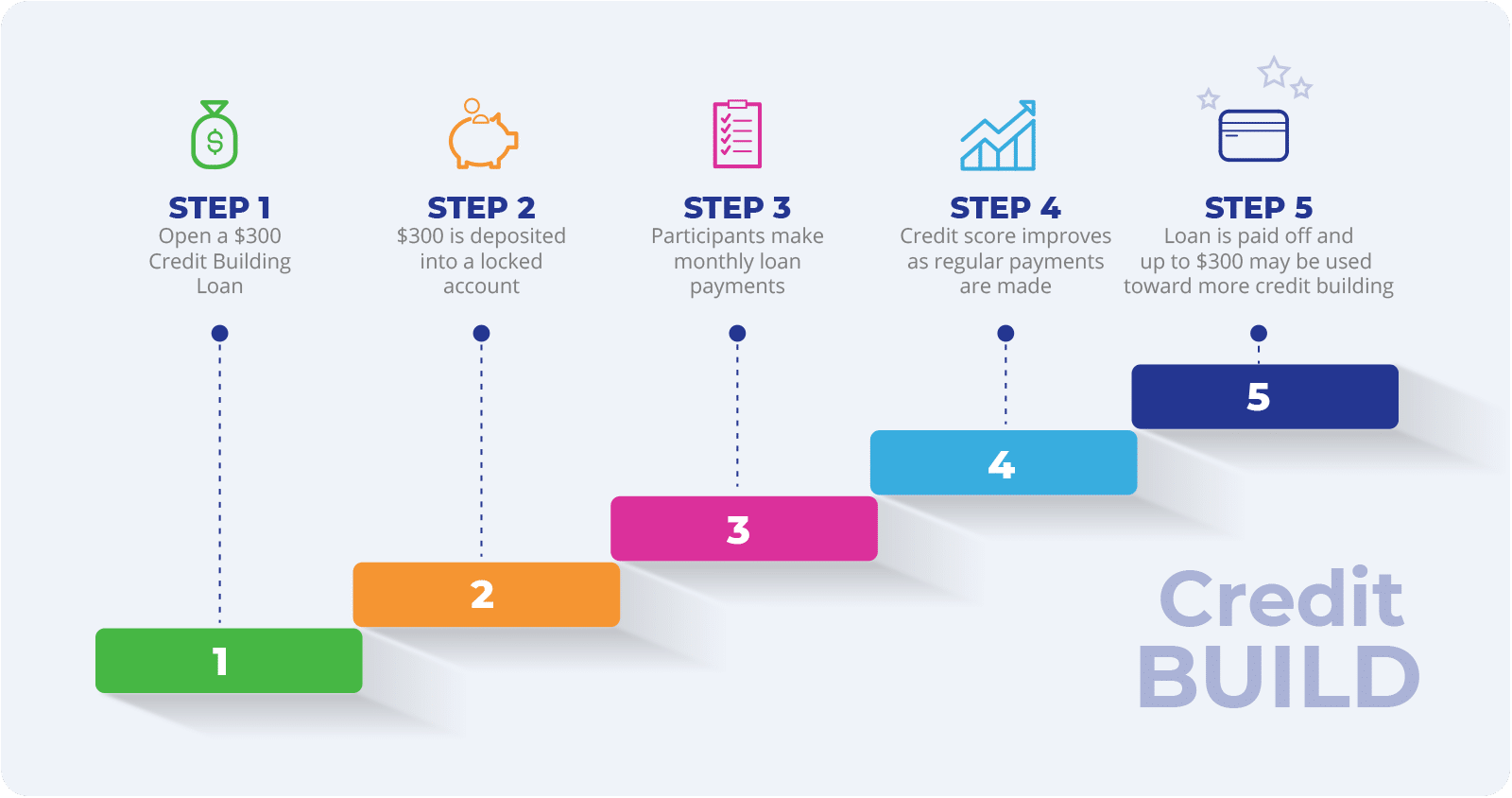
Bad Credit Building Credit
If you have, bad credit get a DO-IT-YOURSELF-Kit and gets the balls rolling. You can go to your public library and get books that will guide you through the steps of repairing your credit. Most libraries allow you to copy and print forms that you must fill out and then send to your credits.
There are systematic guides at your local library that has the tools for instructor debtors how to write letters to creditors. Letters are probably better than phoning creditors, since some creditors could care less about your situation and may threaten you. Another good reason for writing letters is that (copy in writing) is more valuable in a courtroom than a conversation on the phone. If something is said or an agreement is reached and the creditor later denies his or her claims then you can present this to any courtroom and they will listen to you first. Any documents that pertain to your credit history should be stored in a safe area. If you send letters to your creditors keep a copy of each letter sent and store it in a safe area. If you notice any errors on your bills or credit, reports make sure that you contact the appropriate professionals and dispute the charges immediately. If you have credit cards and used the card to purchase an item or use a service and this person sold you a defected item or else provided bad service, you DO NOT have to make payment toward the charges. You do however have to dispute the charges with the services or stores that sold you the product or service. If the sources refuse to give you an item usable, or else reimburse you for a service or product you have the right to deny payment.
Once you have disputed the charges with the sources you will then contact your card provider and let them know what occurred. If you are lucky enough to have a credit card with bad credit, use the card to repay your debts and then meet the monthly installments on the credit card each month. Ironically, you are getting out of debt while going in debt deeper. It is a solution when all else false. In other words, if you use the card to pay your debts each month and then payoff your credit cards the following month and then turnaround and uses the card to pay that month bills�.
Now you see where I am going. Credit cards have interest rates so the bills each month on the card will increase.
No, Credit�No Problem
I do not need a credit line or credit card; I pay all my bills each month with money. Is this you? Well then, you have the obvious answer, but what if�
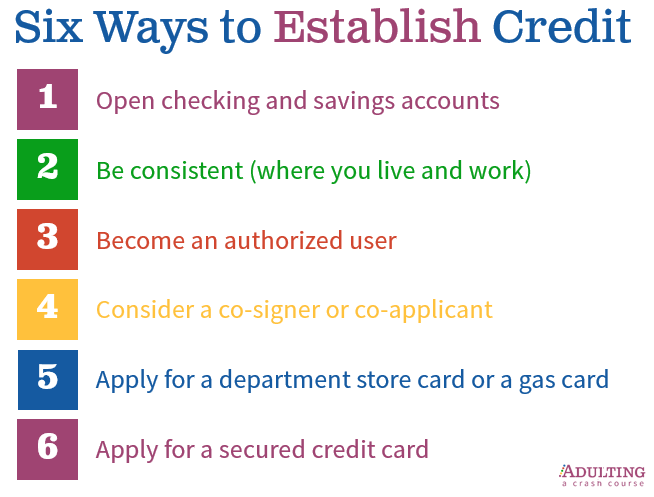
In today’s world, we are moving into an era that requires us to have at least one major credit card. When you phone any business where you have debts, they will first ask you to pay with a credit card. If you go apply for a job, apartment, mortgage, car loan, or any other credit line you most likely will get a rejection notice in the mail. Most lenders will not give credit to anyone that has no credit history. The reason is that we are expected to establish a credit line when we are teens, and if we do not the lenders are often suspicious. The lenders do not have an idea and can only base their judgments of you on assumptions. Can I assume this person will make monthly payments on time? Has this person taken for granted a loan from a friend or family member in the past and there are no records available for me to see if it is true? There are many reasons that lenders will refuse you a loan if you do not have a credit history. The best solution is starting up a line of credit now, pay off your dues on time and avoid making purchases on items you do not really need. Staying out of debt means regulating your money each month and paying your bills on time.


Tinggalkan Balasan